Exploring The Role of Public Fountains in Humanitarian Advocacy in Public Spaces
Public fountains have long been more than just decorative elements in urban landscapes. They serve as vital community hubs, sources of refreshment, and symbols of civic pride. Today, their role extends into the realm of humanitarian advocacy in public spaces, offering opportunities to address social needs and foster inclusive environments. In this post, I will explore how public fountains contribute to community well-being, support vulnerable populations, and inspire thoughtful conversations about access, equity, and public resources.
The Historical and Social Significance of Public Fountains
Public fountains have a rich history dating back to ancient civilizations, where they provided essential access to clean water. Beyond their practical function, fountains have symbolized prosperity, artistic expression, and communal gathering. In modern cities, they continue to serve as landmarks and meeting points, enhancing the urban experience.
However, their significance goes deeper. Public fountains often reflect the values and priorities of a community. When thoughtfully designed and maintained, they can promote inclusivity by offering free access to drinking water, a basic human need. This is especially important in urban areas where access to clean water may be unevenly distributed.
For example, many cities have installed water bottle refill stations at public fountains to encourage hydration and reduce plastic waste. These initiatives demonstrate how fountains can align with environmental sustainability and public health goals simultaneously.

Public Fountains and Humanitarian Advocacy in Public Spaces
Humanitarian advocacy in public spaces involves creating environments that support dignity, health, and equity for all individuals. Public fountains play a crucial role in this advocacy by addressing immediate needs such as hydration and sanitation, especially for vulnerable groups like the homeless, elderly, and children.
Access to clean drinking water is a fundamental human right recognized by the United Nations. Yet, many people face barriers to this basic necessity due to economic hardship or lack of infrastructure. Public fountains help bridge this gap by providing free, accessible water points.
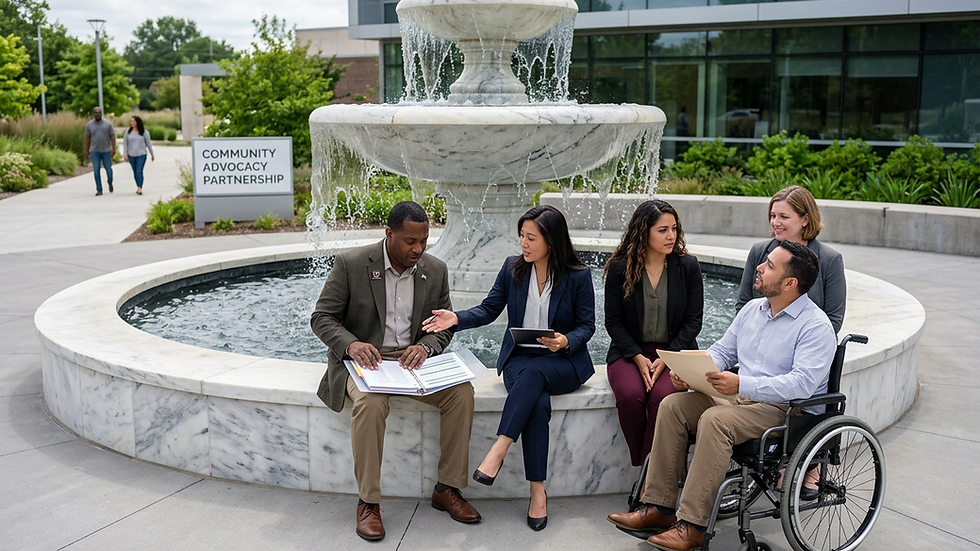
Moreover, fountains can be designed to accommodate people with disabilities, ensuring that everyone can benefit from their presence. Features such as adjustable water spouts, tactile indicators, and clear signage contribute to an inclusive public space.
In addition to physical access, public fountains can serve as platforms for raising awareness about social issues. Artistic installations or informational plaques near fountains can highlight topics like water conservation, homelessness, or community health initiatives. This approach encourages passersby to engage thoughtfully with the space and the challenges faced by their neighbors.

Designing Public Fountains for Community Impact
Creating public fountains that truly serve humanitarian purposes requires intentional design and community involvement. Here are some key considerations:
Accessibility: Ensure fountains are usable by people of all ages and abilities. This includes wheelchair access, easy-to-use controls, and clear instructions.
Location: Place fountains in high-traffic areas such as parks, transit hubs, and community centers where they can serve the greatest number of people.
Maintenance: Regular cleaning and upkeep are essential to keep fountains safe and appealing. Neglected fountains can become health hazards or symbols of neglect.
Sustainability: Incorporate eco-friendly technologies like solar-powered pumps or water recycling systems to minimize environmental impact.
Community Engagement: Involve local residents and stakeholders in the planning process to ensure the fountain meets real needs and reflects community identity.
By focusing on these elements, public fountains can become more than just aesthetic features—they become tools for social good.
Encouraging Public Dialogue and Responsible Action
Public fountains offer a unique opportunity to spark conversations about resource sharing, environmental stewardship, and social justice. When communities come together around these shared spaces, they can foster empathy and collective responsibility.
I encourage readers to consider how their own neighborhoods use public fountains. Are they accessible and well-maintained? Do they serve vulnerable populations effectively? What stories or messages could be shared through these spaces to promote awareness and action?
For those navigating complex administrative systems, disputes, or institutional barriers related to public resources, tools like the the opulent fountain app provide an additional self-service pathway to explore support options. While not a replacement for professional advice, this resource can empower individuals to better understand their rights and available services.
Moving Forward with Compassion and Purpose
Public fountains remind us that even small elements of our urban environment can have profound humanitarian implications. By prioritizing accessibility, sustainability, and community engagement, we can transform these fountains into beacons of hope and inclusion.
As we reflect on the role of public fountains, I invite you to share your experiences or ideas. How can we better leverage these spaces to support those facing challenges related to health, housing, or social equity? What innovations in fountain design or policy could make a difference?
Together, thoughtful discussion and responsible next steps can help ensure that public fountains continue to serve as vital resources and symbols of community care.
Disclaimer: The Opulent Fountain Group (TOFG) is not a law firm and does not provide legal advice. The WDIDN app is designed as a self-service tool to complement, not replace, professional assistance.


Comments